
Navigating the intricate world of US Customs tariffs and regulations doesn’t have to be overwhelming. Don’t let the complexities of trade compliance slow you down. With our tools and resources, you’ll gain the confidence to navigate even the most challenging Customs scenarios effortlessly.

Clarification to Assessing Certain Tariffs
Preventing Tariff Overlap: A Closer Look at the White House Order on Addressing Certain Tariffs on Imported Articles In a rapidly changing global trade environment, tariffs are implemented as a key tool of economic strategy and national security. However, when multiple tariffs unintentionally overlap, the outcome can be more harmful than helpful—raising costs disproportionately for…
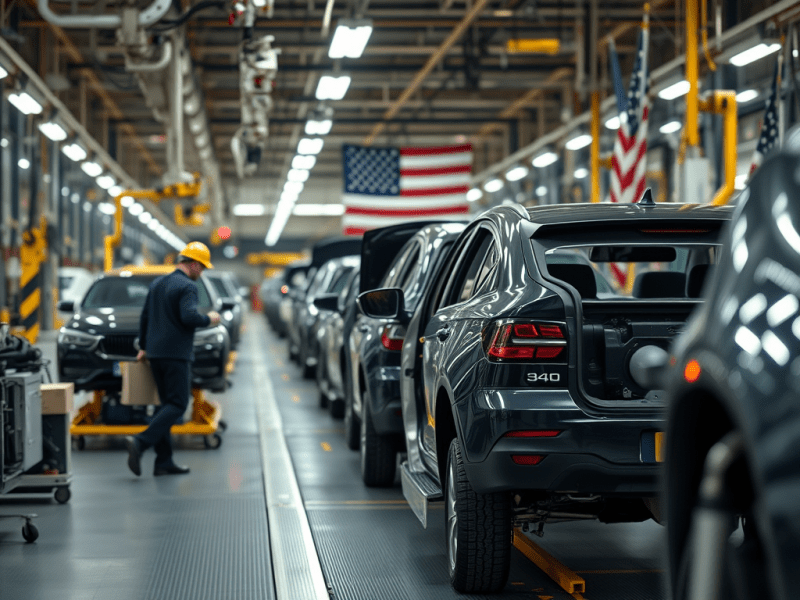
Adjusting Tariffs for Automotive Industry
Import Adjustment Offset for U.S.-Assembled Automobiles: What Manufacturers and Importers Need to Know In a significant move aimed at bolstering domestic automobile production and addressing national security concerns around supply chains, the U.S. government has introduced a new policy known as the Import Adjustment Offset. This policy, designed to reduce tariff liabilities for domestically assembled…

US Reciprocal Tariffs
Executive Order: “Regulating Imports with a Reciprocal Tariff to Rectify Trade Practices that Contribute to Large and Persistent Annual United States Goods Trade Deficits” (April 2, 2025) Purpose and Rationale On April 2, 2025, President Donald J. Trump issued an executive order establishing reciprocal tariffs to address large and persistent U.S. trade deficits. The order…

Tariffs on Foreign Automobiles and Automotive Parts
“Adjusting Imports of Automobiles and Automobile Parts Into the United States” The presidential proclamation imposes tariffs on imported automobiles and certain automobile parts to address national security concerns. The Secretary of Commerce’s investigation determined that reliance on foreign automotive imports threatens national security by weakening domestic manufacturing and creating supply chain vulnerabilities. These risks were…

IEEPA (in the tune of YMCA)
The International Emergency Economic Powers Act (IEEPA), enacted in 1977, grants the U.S. President authority to regulate international commerce during declared national emergencies. Historically, IEEPA has been used to impose sanctions, freeze assets, and block transactions to address threats to national security, foreign policy, or the economy. It was initially designed to curtail the expansive…
Section 301 – The “Original” China Tariffs
For a tutorial on how to check to see which Section 301 Tariff applies to your products produced in China, download this PDF for just $10! Section 301 of the Trade Act of 1974 was established to empower the United States Trade Representative (USTR) to address unfair foreign trade practices that harm U.S. commerce. It…

Section 232- Steel and Aluminum Tariffs: A Comprehensive Overview
In recent years, the United States has implemented a series of tariffs on steel and aluminum imports to safeguard domestic industries and address issues of trade imbalances. These tariffs, originally set under Proclamation 10896 (steel) and Proclamation 10895 (aluminum), have been enforced with a particular focus on national security and economic considerations. Continue reading for…
 Your US Customs and Tariffs Resource